Exoplanets
Discovering Exoplanets
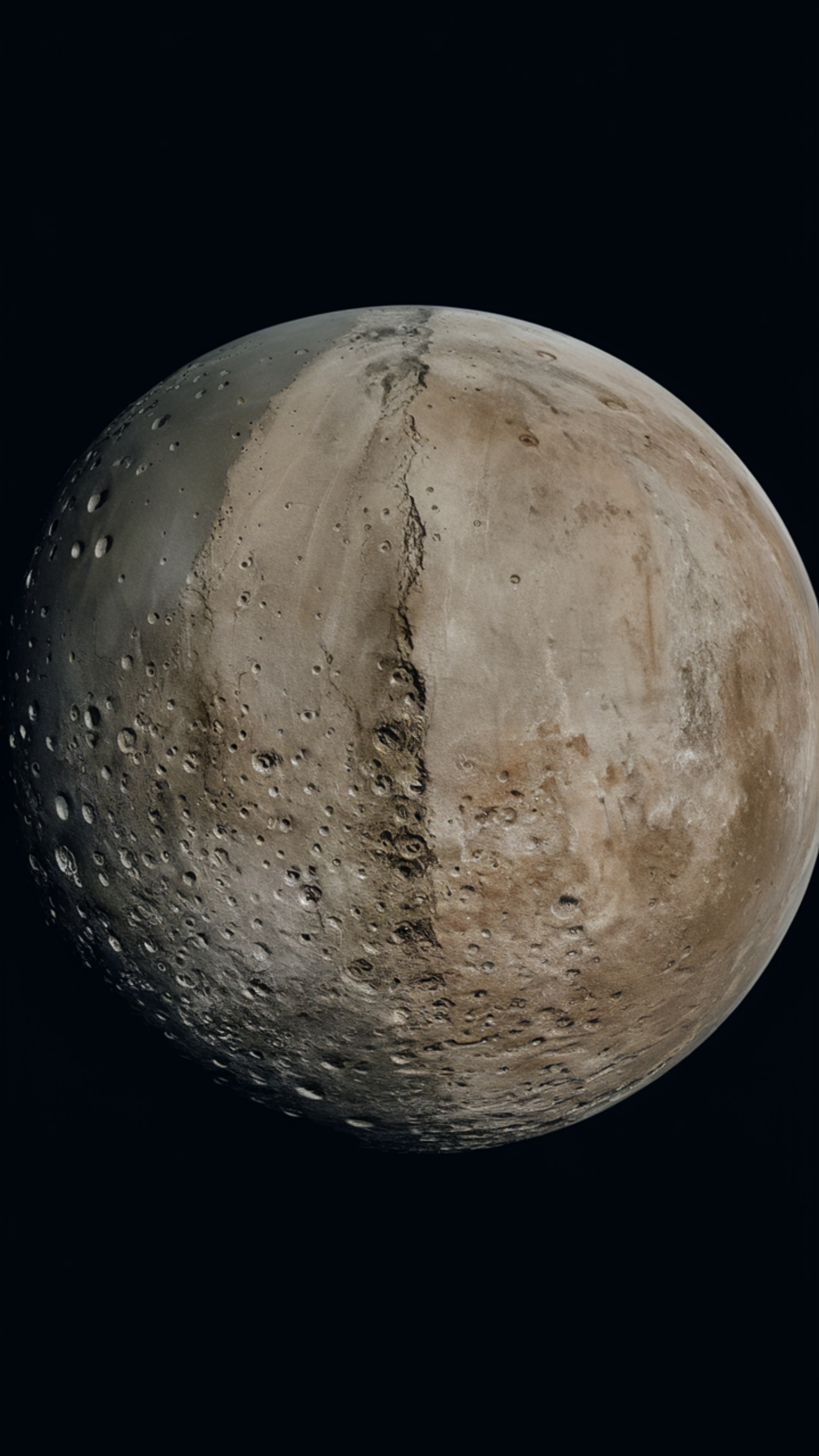
Exoplanets, or extrasolar planets, are planets that orbit stars outside our solar system. Since the first confirmed detection in 1992, astronomers have discovered over 5,000 confirmed exoplanets, with thousands more candidates awaiting verification.
The most successful method for finding exoplanets is the transit method, where astronomers observe the slight dimming of a star's light as a planet passes in front of it. The Kepler Space Telescope alone discovered over 2,600 exoplanets using this technique, revolutionizing our understanding of planetary systems.
The Habitable Zone
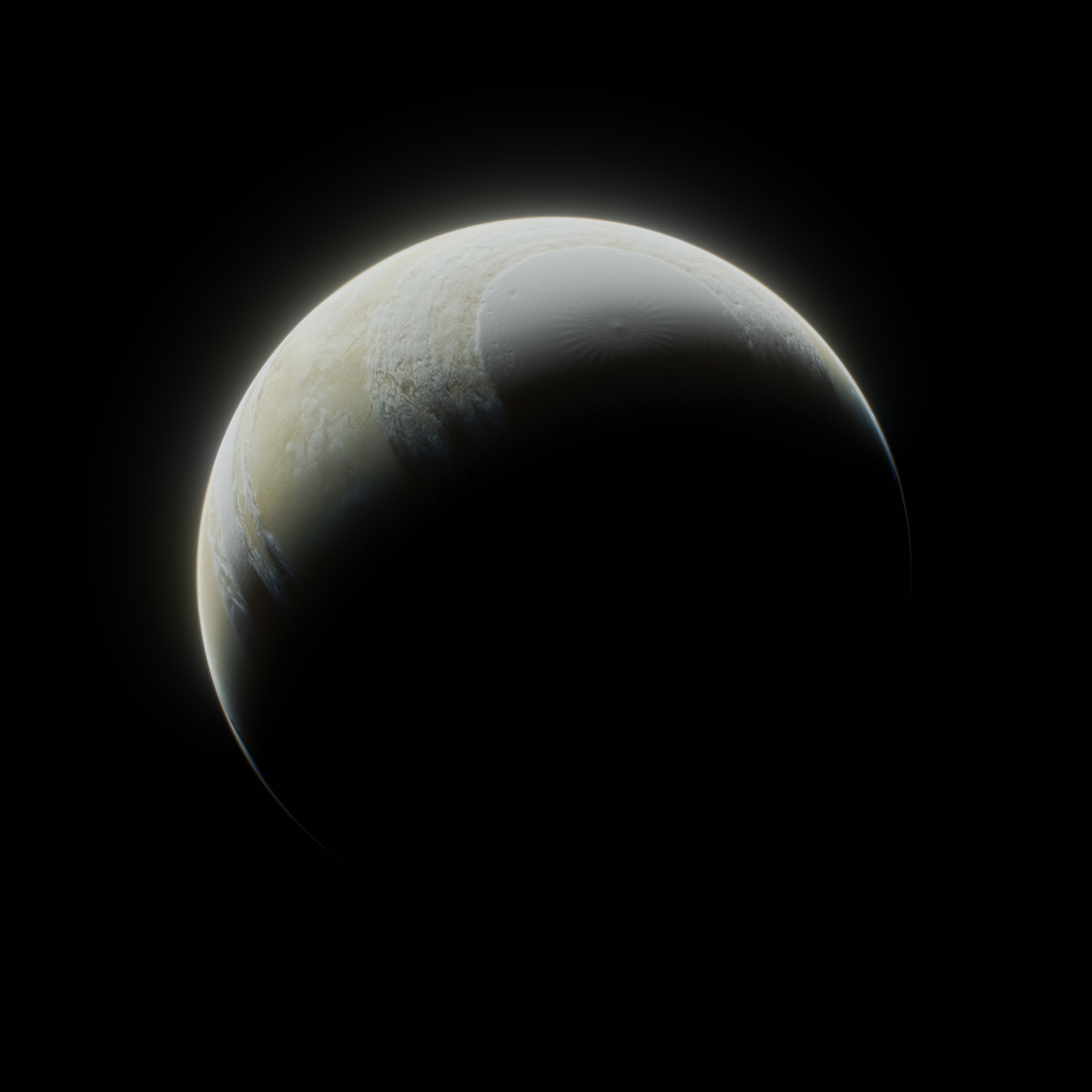
The habitable zone, also known as the Goldilocks zone, is the region around a star where conditions might be just right for liquid water to exist on a planet's surface—a key ingredient for life as we know it. Planets in this zone are neither too hot nor too cold.
Scientists have identified numerous potentially habitable exoplanets, including Proxima Centauri b, which orbits the closest star to our Sun, and the TRAPPIST-1 system, which contains seven Earth-sized planets, three of which are in the habitable zone. The James Webb Space Telescope is now analyzing the atmospheres of these worlds for signs of life.
Diverse Planetary Types
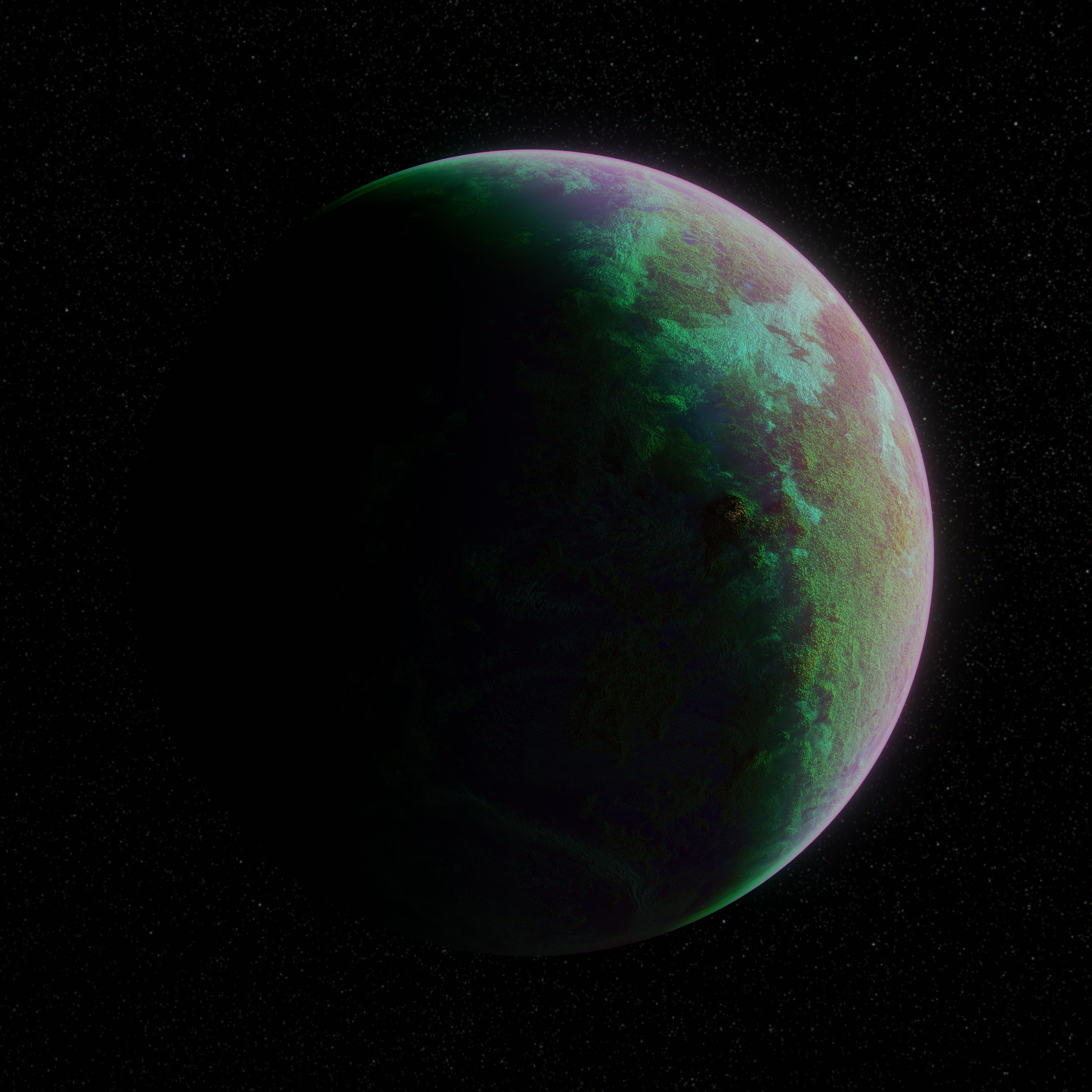
Exoplanets come in astonishing variety: hot Jupiters that orbit extremely close to their stars, super-Earths larger than our planet but smaller than Neptune, ocean worlds completely covered in water, and even rogue planets that drift through space without orbiting any star.
Some exoplanets have extreme conditions, like 55 Cancri e, a planet made mostly of diamond, or HD 189733 b, where it rains glass sideways due to 5,400 mph winds. These discoveries challenge our understanding of planetary formation and demonstrate the incredible diversity of worlds in our galaxy.