The Solar System
The Inner Planets
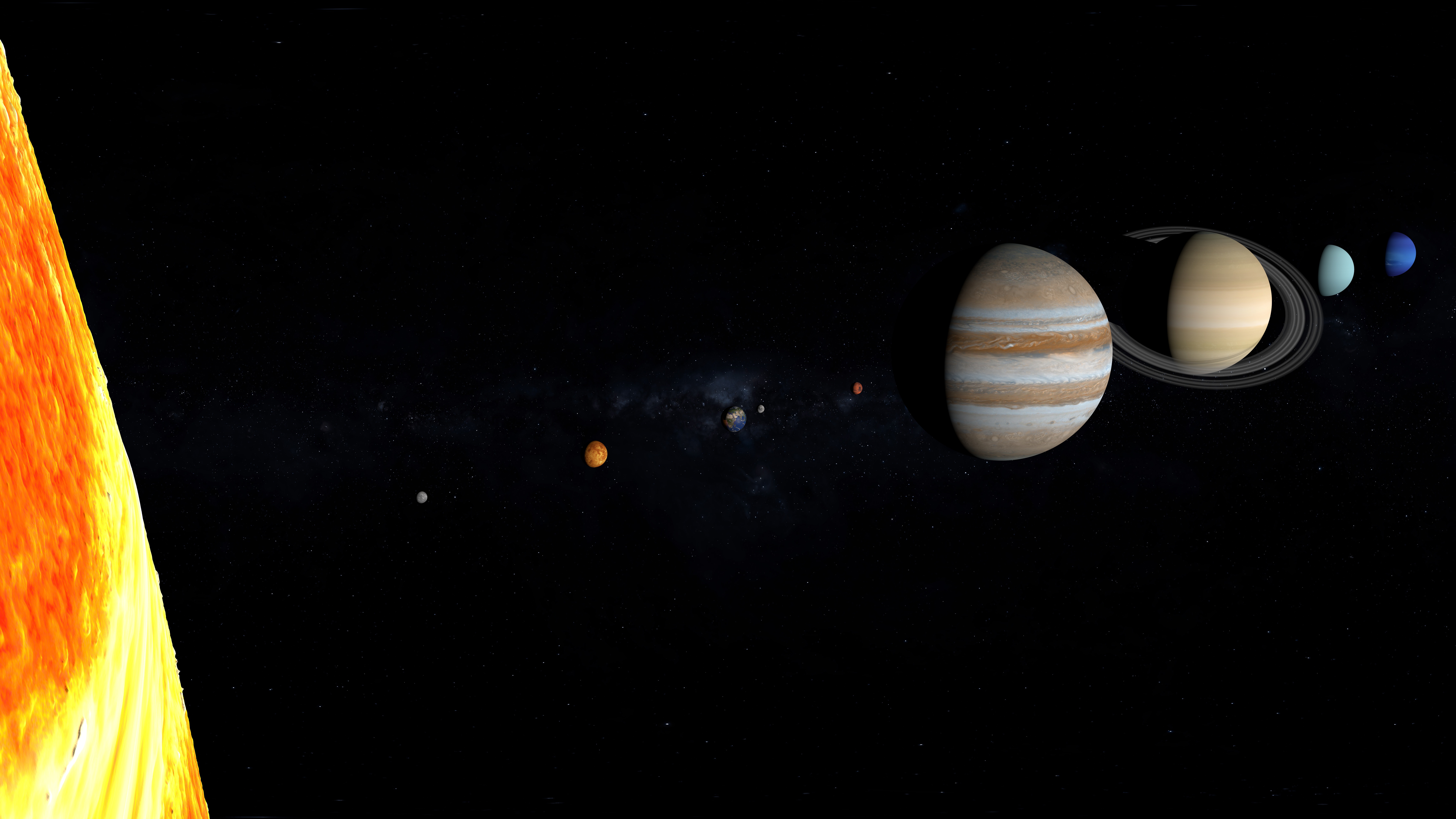
The four inner planets—Mercury, Venus, Earth, and Mars—are rocky worlds with solid surfaces. Mercury, the closest to the Sun, experiences extreme temperature variations from 427°C during the day to -173°C at night. Venus, shrouded in thick clouds of sulfuric acid, has a runaway greenhouse effect making it the hottest planet in the solar system.
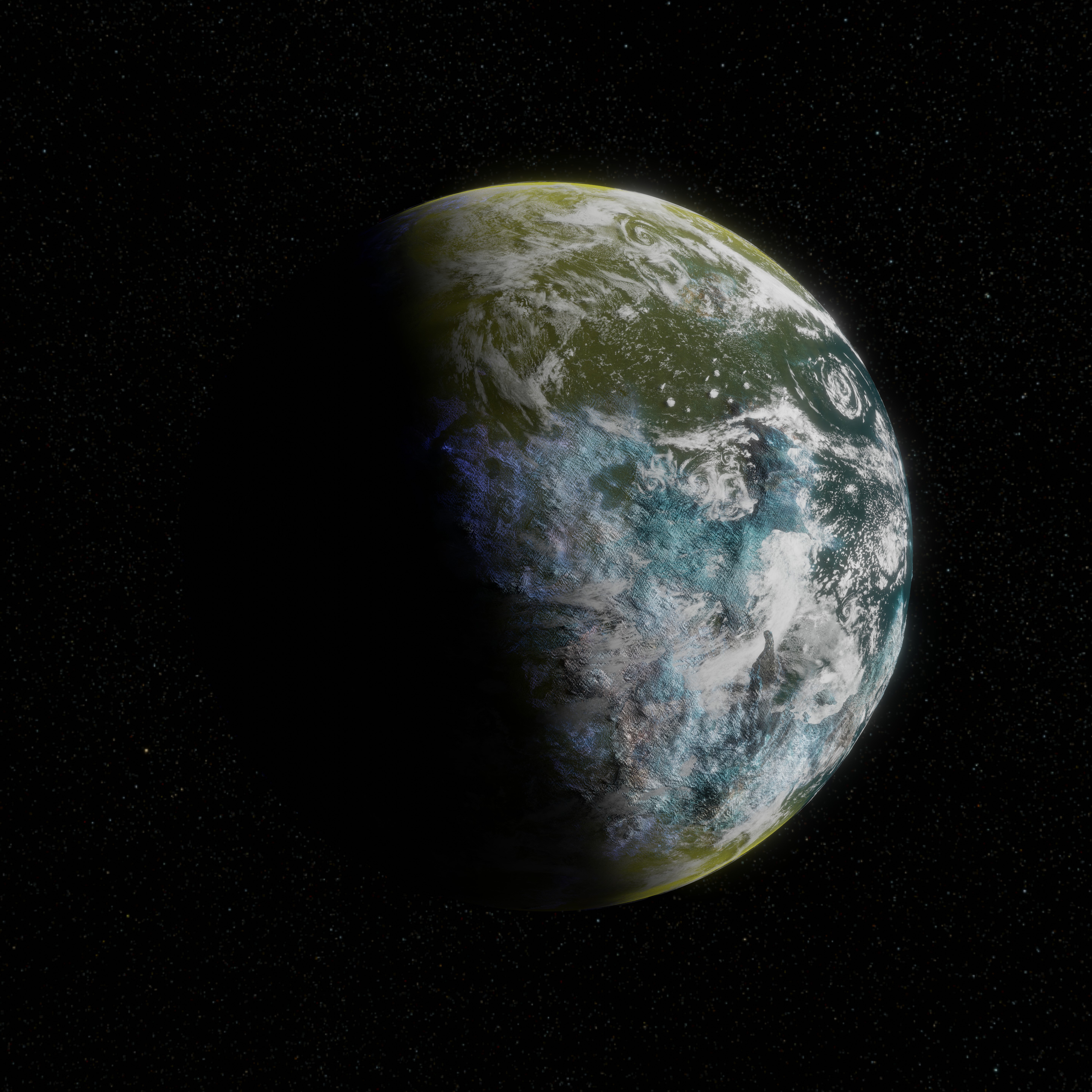
Earth, our home, is the only known planet with life, thanks to its liquid water, protective atmosphere, and magnetic field. Mars, the "Red Planet," shows evidence of ancient water flows and may have once harbored life. Recent missions have discovered subsurface water ice and are searching for signs of past or present microbial life.
The Gas Giants
Beyond the asteroid belt lie the four gas giants: Jupiter, Saturn, Uranus, and Neptune. Jupiter, the largest planet, has a Great Red Spot—a storm larger than Earth that has raged for centuries. It also has over 80 moons, including Europa, which may have a subsurface ocean capable of supporting life.
Saturn is famous for its spectacular ring system, composed of ice particles and rocky debris. Its moon Titan has lakes of liquid methane and a thick atmosphere. Uranus and Neptune, the ice giants, are composed mainly of water, methane, and ammonia ices. Neptune's moon Triton has geysers of nitrogen ice, and both planets have unique magnetic fields tilted relative to their rotation axes.
Asteroids, Comets & Dwarf Planets
The asteroid belt between Mars and Jupiter contains millions of rocky objects, remnants from the solar system's formation. The Kuiper Belt beyond Neptune is home to icy bodies including Pluto, now classified as a dwarf planet. The Oort Cloud, a spherical shell of comets, extends nearly a light-year from the Sun.
Comets are "dirty snowballs" of ice and rock that develop spectacular tails when approaching the Sun. Asteroids have provided insights into the early solar system, and some may contain valuable resources for future space mining. Dwarf planets like Ceres, Pluto, and Eris challenge our definitions of planetary bodies and reveal the diversity of objects in our solar system.