Space Topics
Planets & Exoplanets
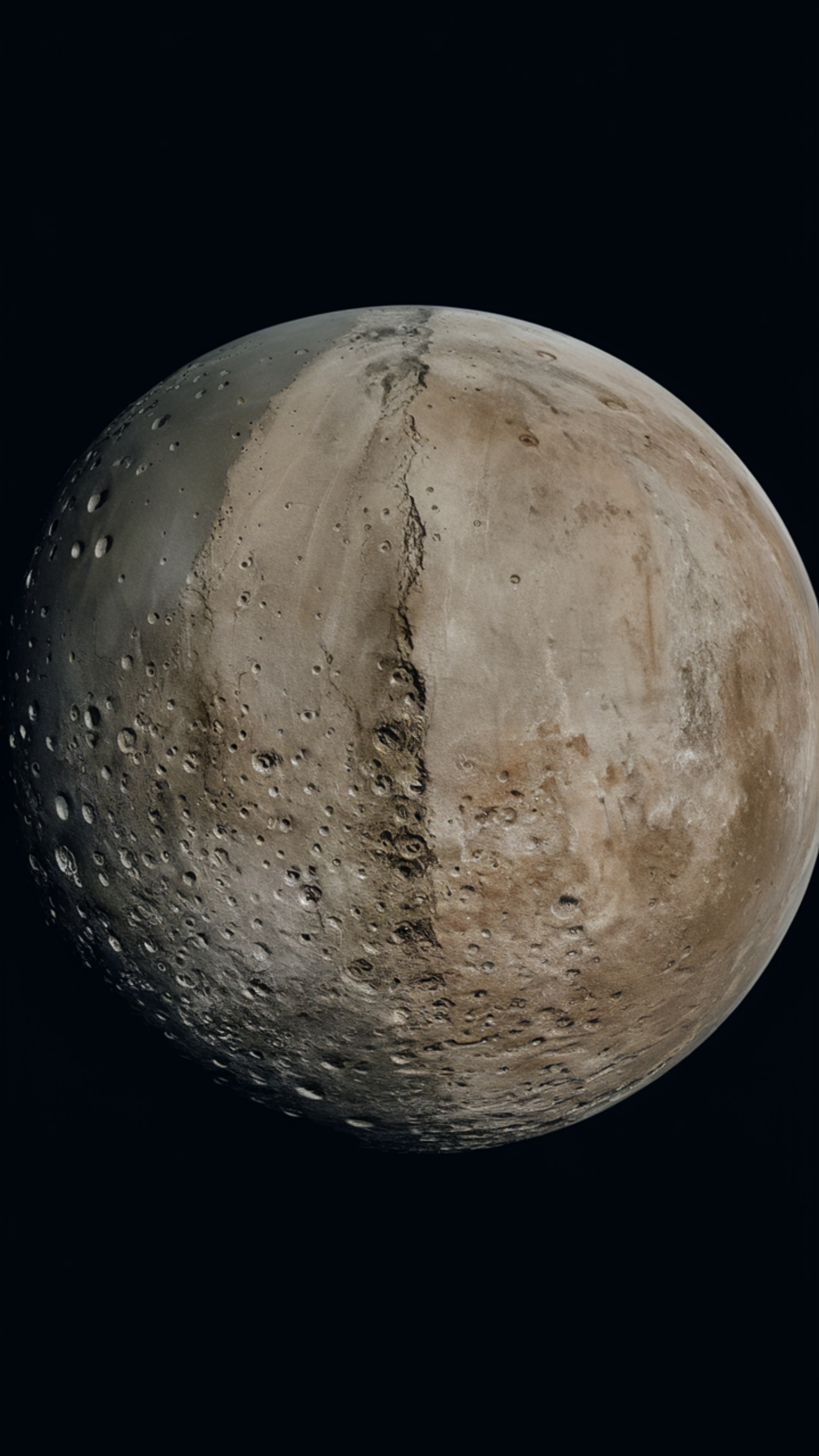
Our solar system is home to eight diverse planets, each with unique characteristics. From the scorching surface of Venus to the icy rings of Saturn, explore the worlds in our cosmic neighborhood.
Beyond our solar system, astronomers have discovered thousands of exoplanets orbiting distant stars. Learn about the search for habitable worlds, gas giants, and the possibility of life beyond Earth. Discover how scientists detect these distant worlds using transit methods, radial velocity, and direct imaging techniques.
Galaxies & Nebulae
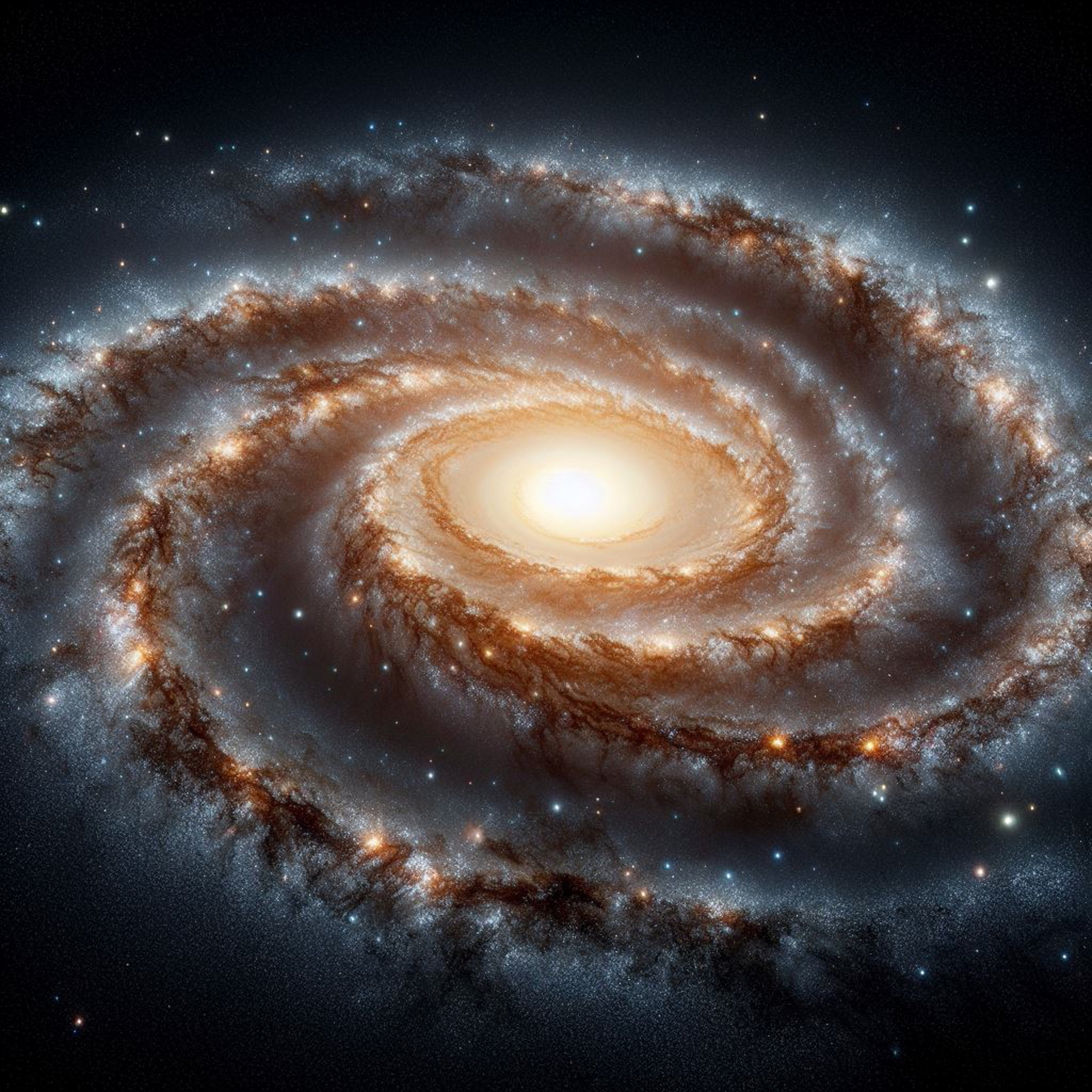
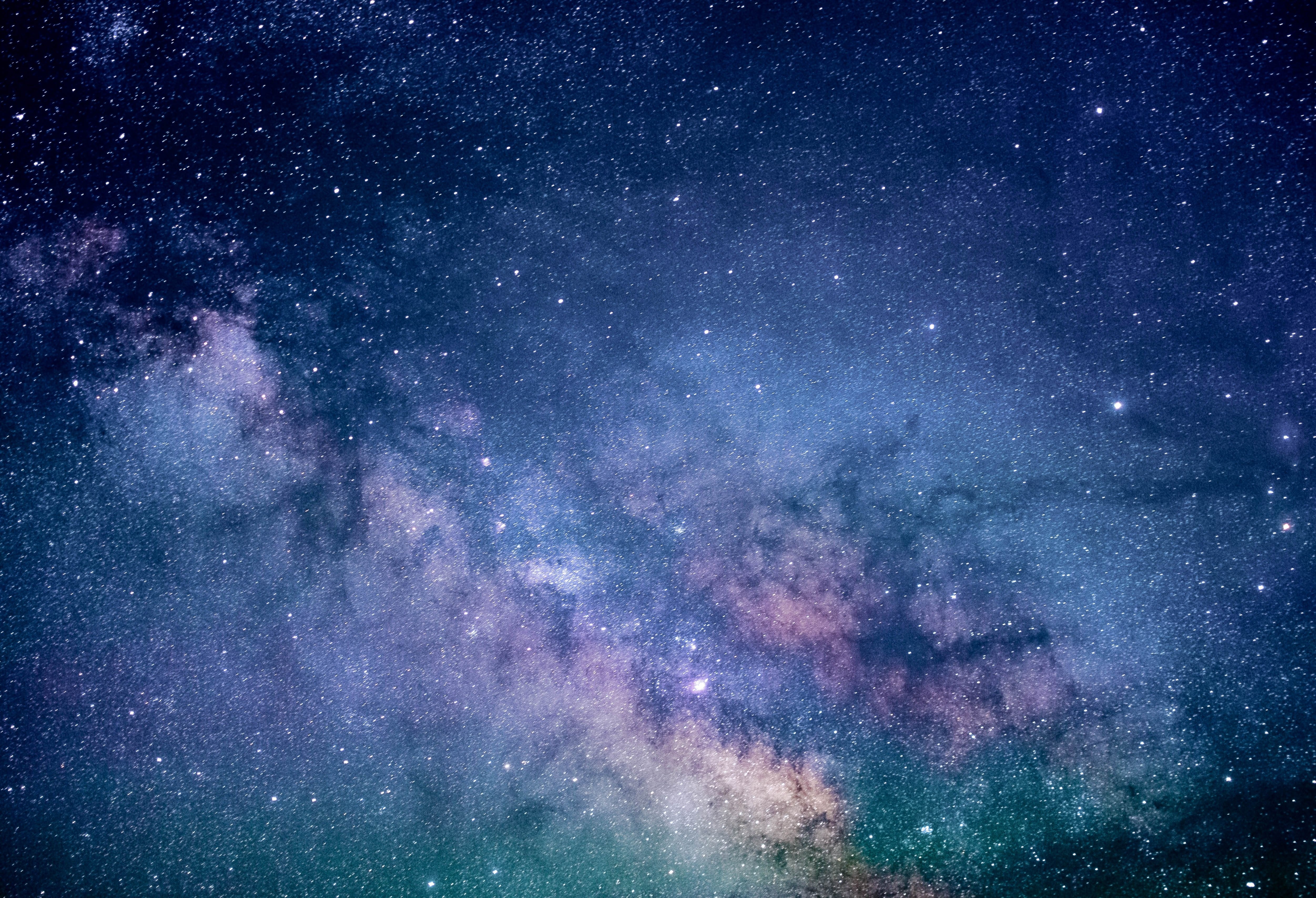
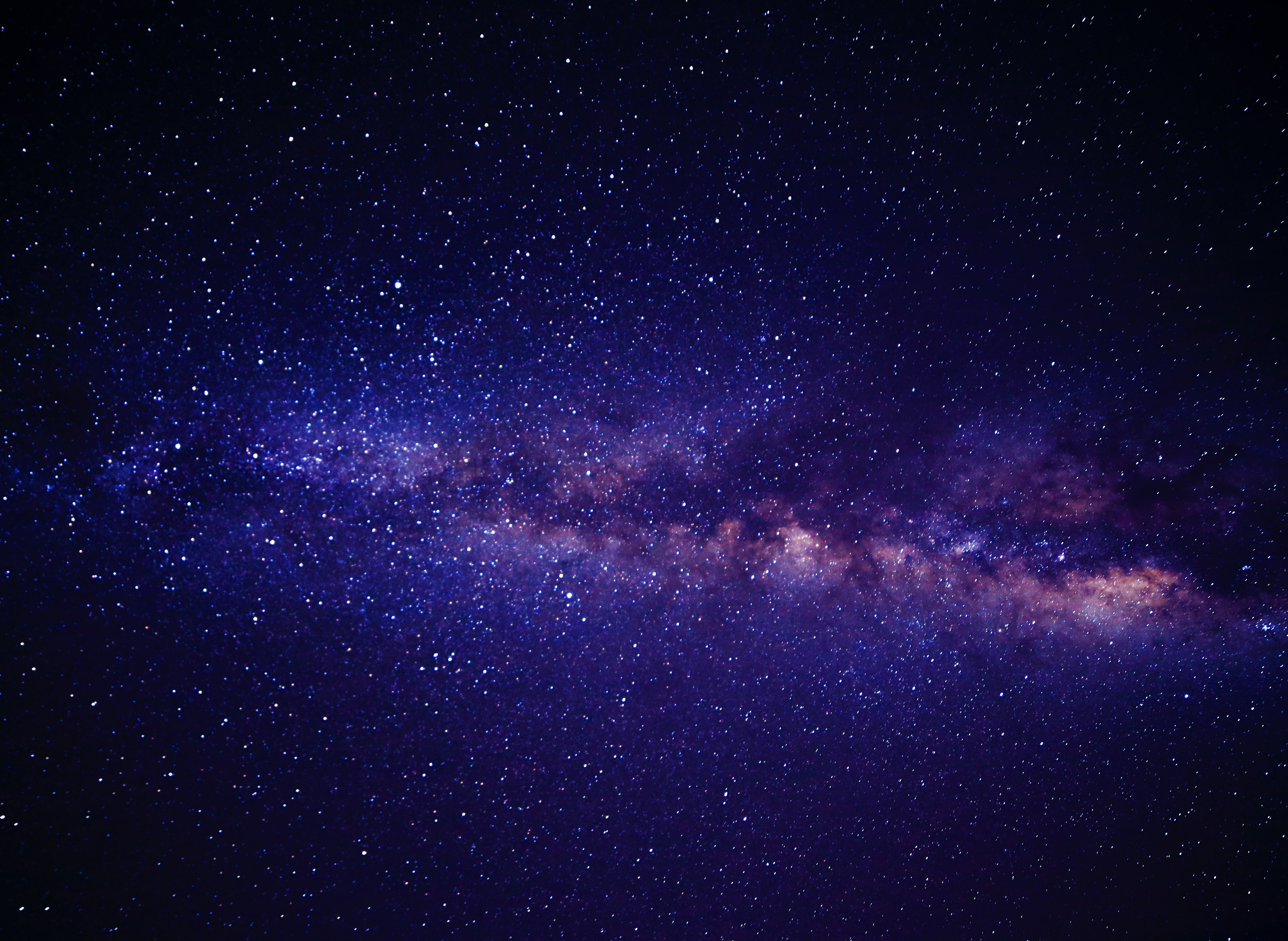
Galaxies are vast collections of stars, gas, dust, and dark matter held together by gravity. Our Milky Way is just one of billions of galaxies in the observable universe, each containing millions to trillions of stars.
Nebulae are cosmic clouds of gas and dust where stars are born and die. From the colorful Orion Nebula to the remnants of supernova explosions, these stellar nurseries and graveyards reveal the life cycle of stars. Explore spiral galaxies, elliptical formations, and the mysterious dark matter that shapes galactic structures.
Cosmic Phenomena
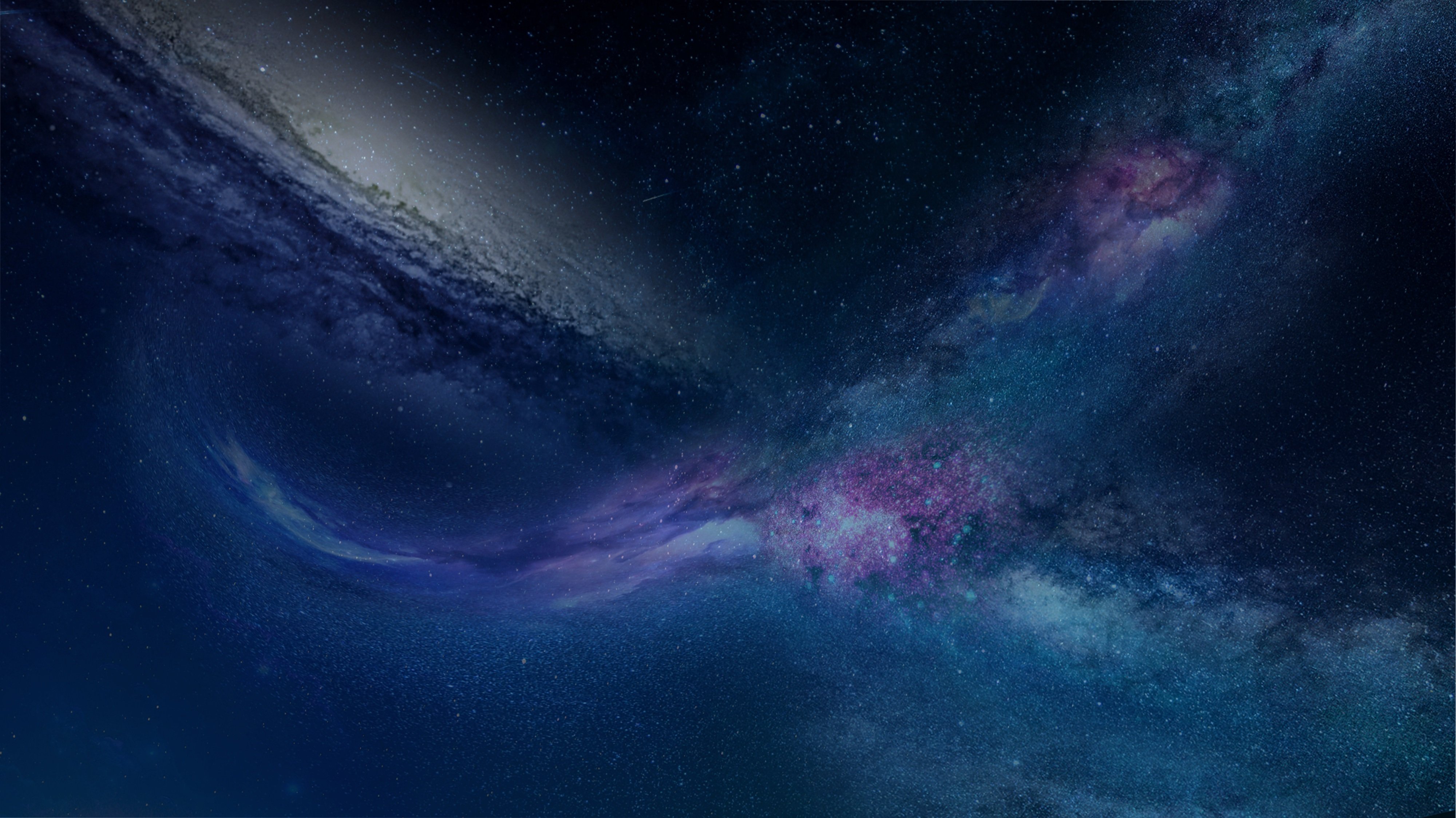
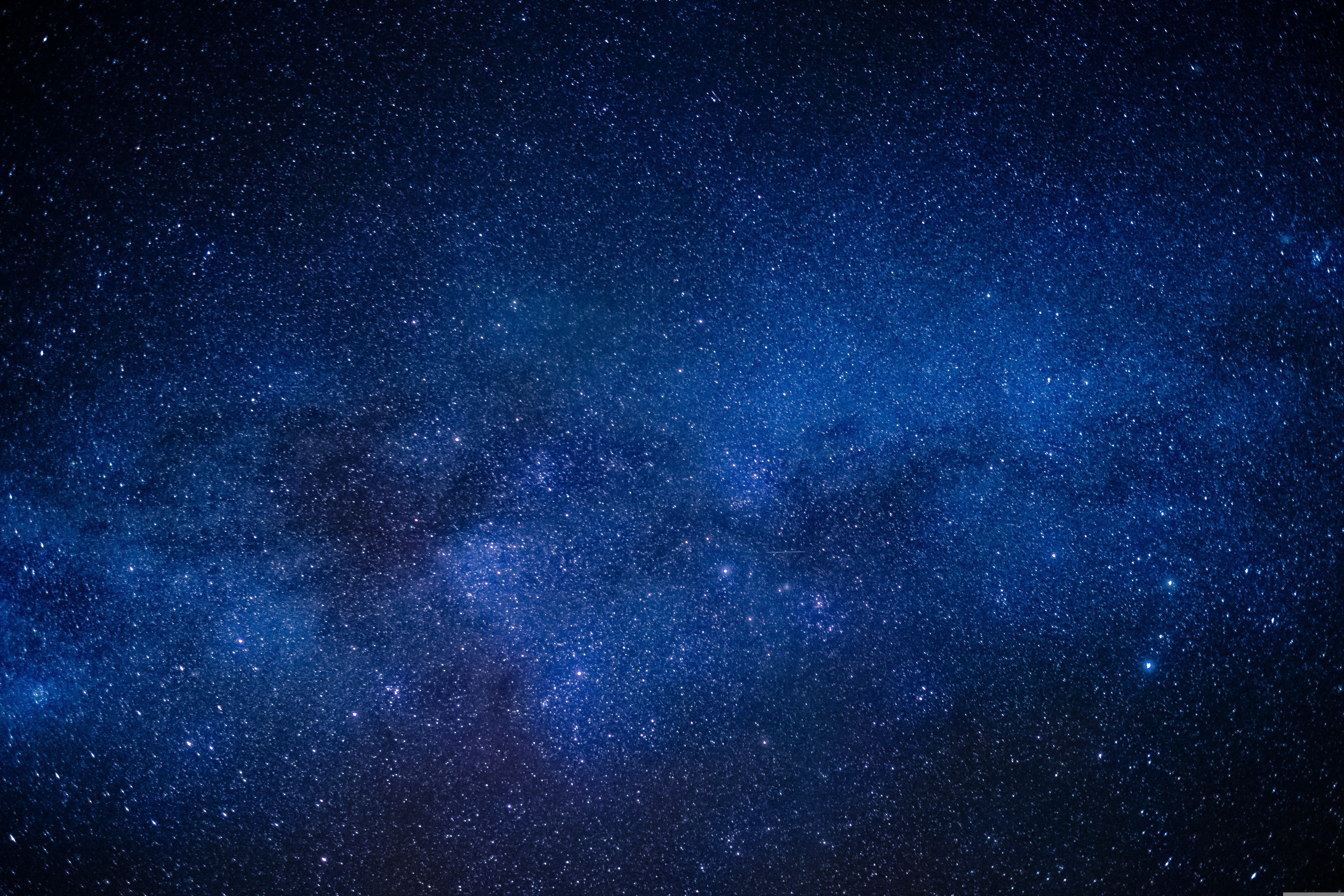
The universe is filled with extraordinary phenomena that challenge our understanding of physics. Cosmic rays are high-energy particles traveling through space at nearly the speed of light, while space noise refers to the cosmic microwave background radiation—the echo of the Big Bang.
Explore black holes, dark matter, gravitational waves, and other cosmic mysteries. Learn about neutron stars, quasars, gamma-ray bursts, and the fundamental forces that govern our universe. These phenomena reveal the extreme conditions and processes that shape the cosmos.
Black Holes
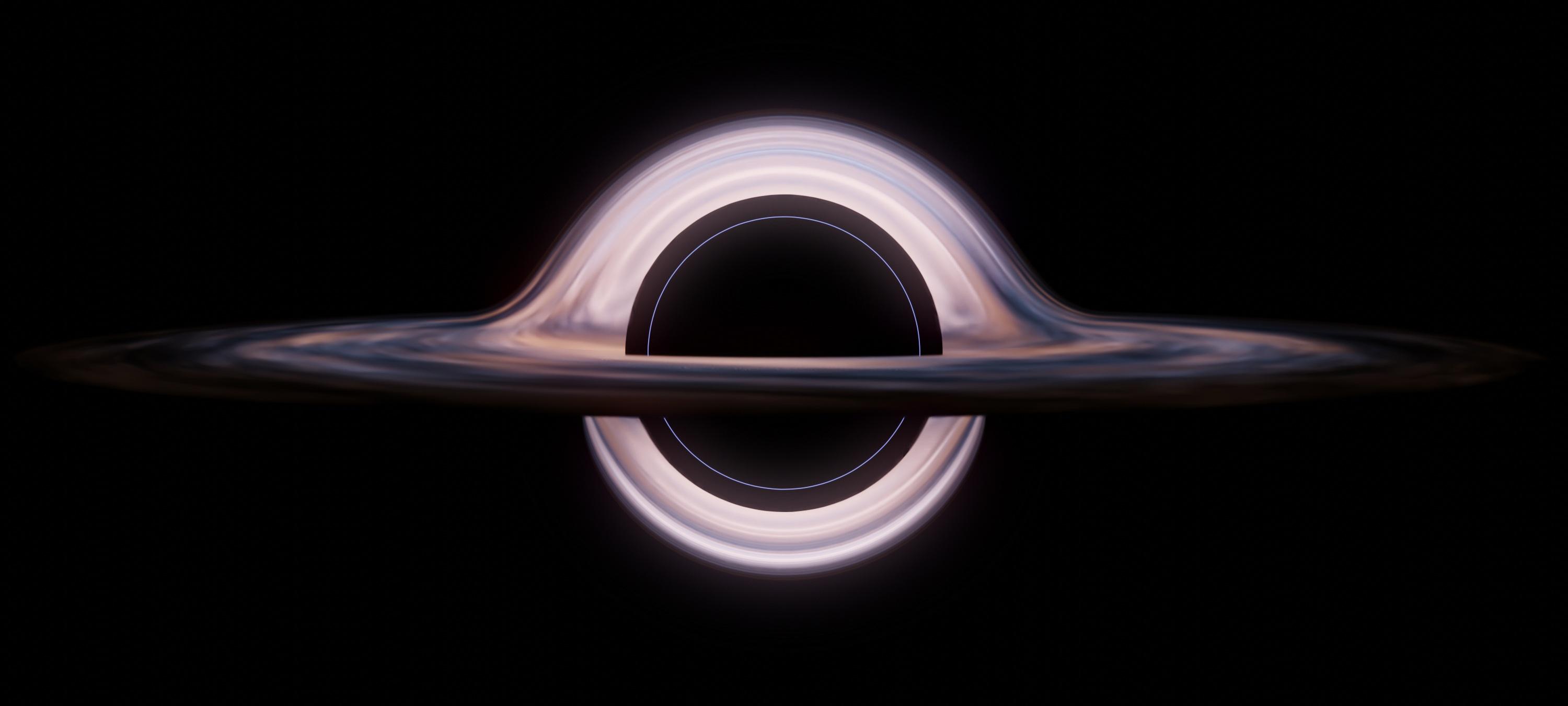
Black holes are among the most mysterious and powerful objects in the universe. These regions of spacetime have gravitational fields so intense that nothing, not even light, can escape once it crosses the event horizon.
Discover how black holes form, their different types, and the groundbreaking discoveries that have revolutionized our understanding of these cosmic phenomena. Learn about Hawking radiation, the information paradox, and the first-ever image of a black hole's event horizon.
Space Exploration
From the first satellites to future missions to Mars, space exploration represents humanity's greatest adventure. Discover the history of space travel, current missions exploring our solar system, and ambitious plans for the future.
Learn about the International Space Station, Mars rovers, the James Webb Space Telescope, and upcoming missions that will take humans back to the Moon and eventually to Mars. Explore how private companies are revolutionizing space travel and making it more accessible.
Dark Matter & Dark Energy
Dark matter and dark energy make up 95% of the universe, yet we know almost nothing about them. Dark matter provides the gravitational glue holding galaxies together, while dark energy is causing the universe's expansion to accelerate.
These invisible components represent the greatest mysteries in modern physics. Discover how scientists are searching for dark matter particles and trying to understand the nature of dark energy that will determine the ultimate fate of our universe.
Nebulae & Star Formation
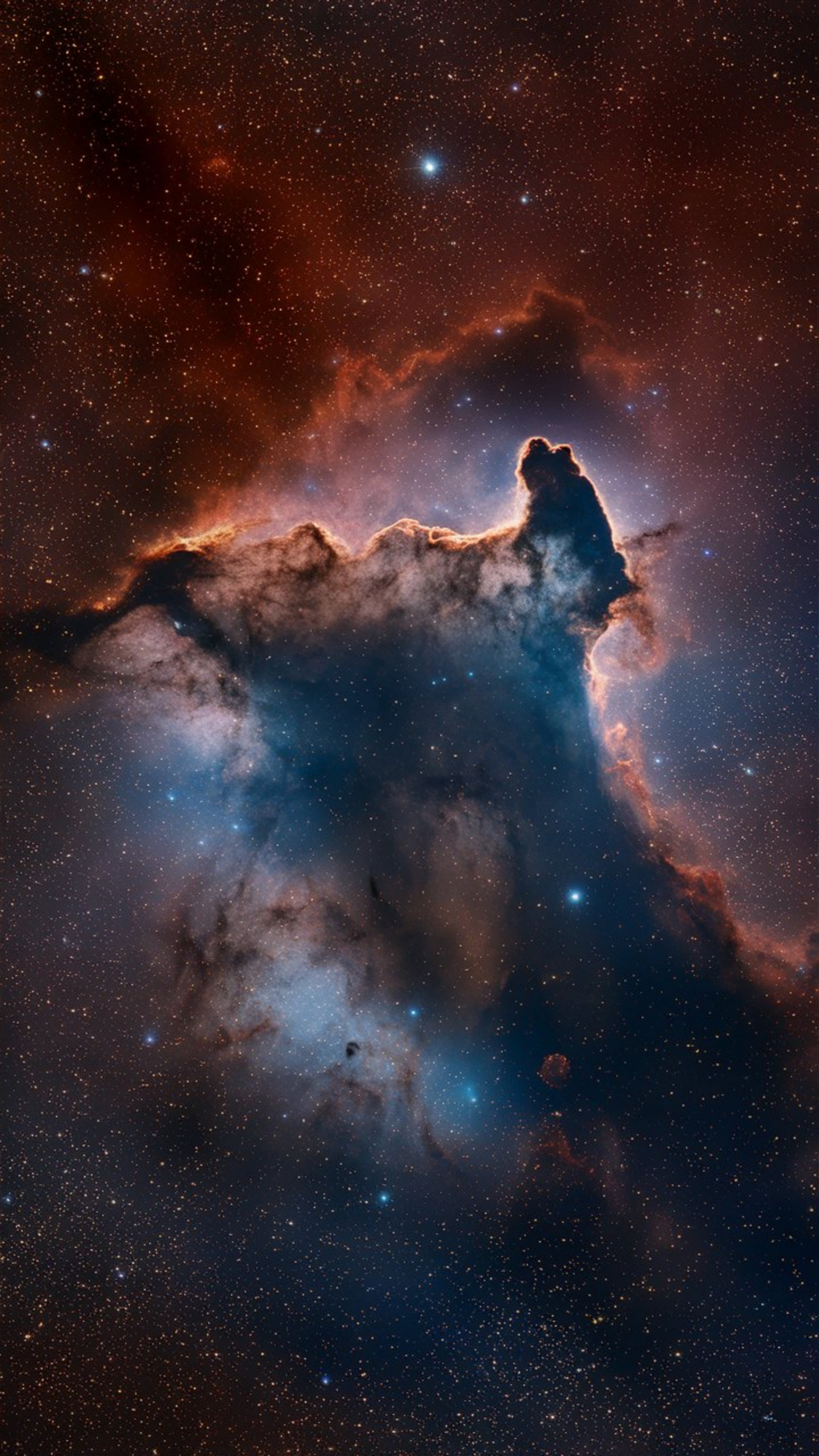
Nebulae are cosmic clouds where stars are born and die. These stellar nurseries create some of the most beautiful structures in the universe, from the colorful Orion Nebula to the remnants of supernova explosions.
Learn about the life cycle of stars, from their birth in dense molecular clouds to their death in spectacular supernovae. Discover how nebulae enrich the universe with heavy elements and provide the building blocks for new stars and planets.
The Solar System
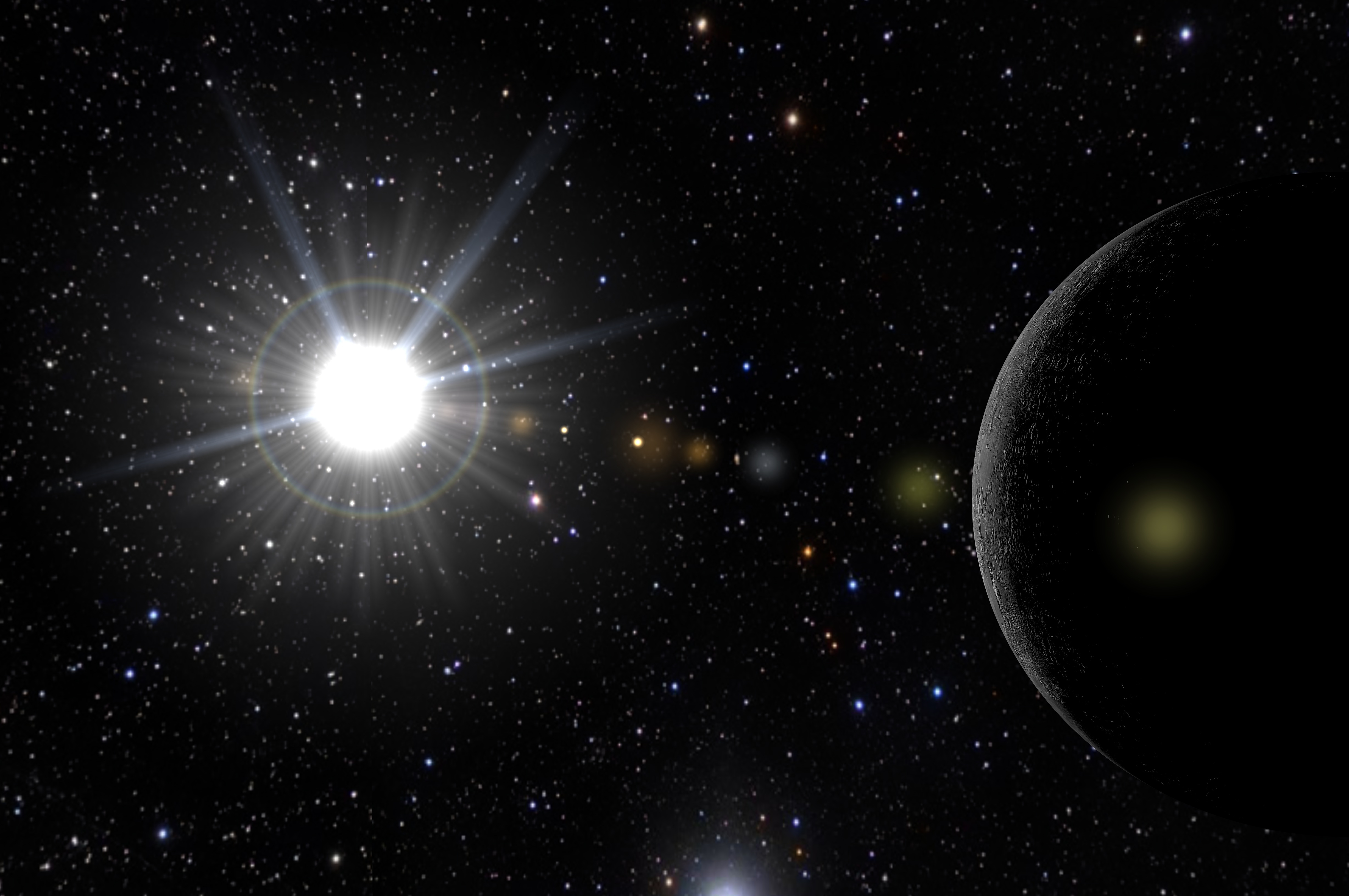
Our cosmic neighborhood contains eight planets, hundreds of moons, countless asteroids, and comets. From the scorching surface of Mercury to the icy depths of the Kuiper Belt, each world tells a unique story.
Explore the rocky inner planets, the gas giants with their spectacular rings and moons, and the mysterious objects in the outer reaches of our solar system. Discover how these worlds formed and what they reveal about our cosmic origins.
Neutron Stars & Pulsars
Neutron stars are the densest objects in the universe, where matter is compressed to extreme states. These cosmic objects, formed from supernova explosions, have masses greater than the Sun but are only about 20 kilometers across.
Pulsars are rapidly rotating neutron stars that act as cosmic lighthouses, emitting precise beams of radiation. Discover how these extreme objects are used to test Einstein's theories and serve as navigation beacons for future space missions.
Gravitational Waves
Gravitational waves are ripples in spacetime caused by the most violent events in the universe. Predicted by Einstein in 1916, they were first detected in 2015, opening an entirely new way to observe the cosmos.
Learn about the LIGO observatory, the detection of black hole and neutron star mergers, and how gravitational wave astronomy is revolutionizing our understanding of the universe. Discover how these cosmic ripples allow us to "hear" events invisible to traditional telescopes.